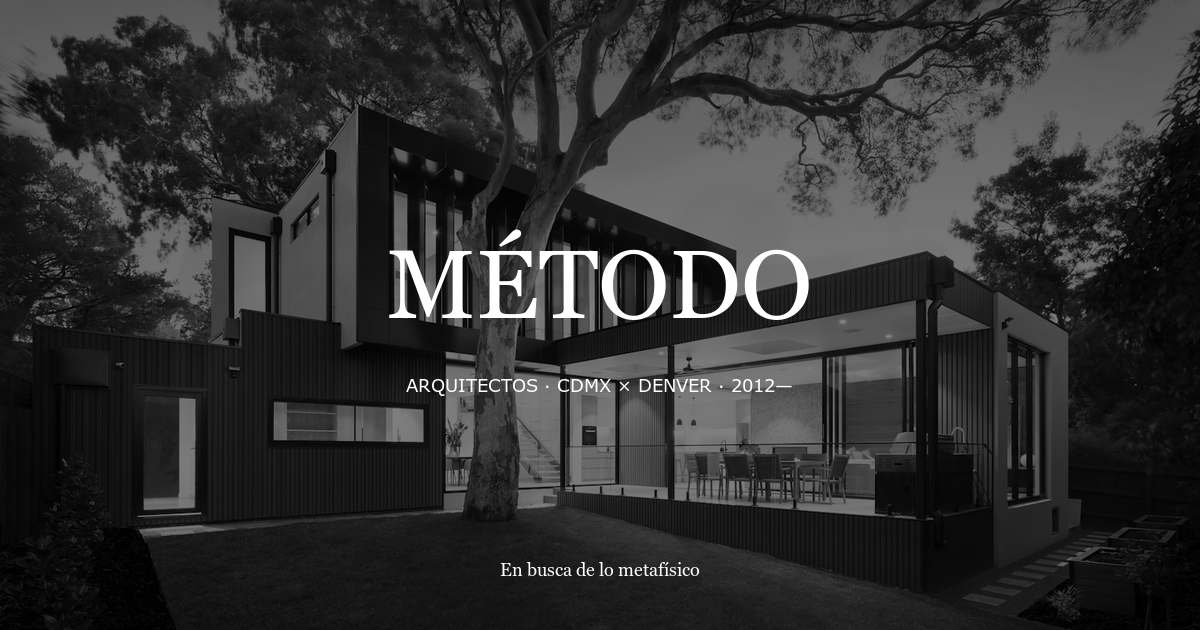
A Sayulita beach house patio tropical design confronts conditions that differ fundamentally from desert or highland climate work: high humidity, salt air, intense rain from June through October, and heat that is moderate in temperature but exhausting in humidity. The patio in this context is not a thermal buffer — it is a ventilation engine and a transition between the protected interior and the landscape outside.
The Tropical Climate Parameters in Sayulita
Sayulita sits on the Pacific coast of Nayarit at approximately 21 degrees north latitude, 6 m above sea level. Climate data:
- Year-round temperatures: 22-32 Celsius, with minimal seasonal swing
- Humidity: 70-90% relative humidity through most of the year
- Rainy season: June through October, with rainfall concentrated in afternoon and evening storms. Annual rainfall approximately 1,400 mm.
- Prevailing breeze: southwest to northwest, off the ocean — consistent and reliable from late morning through afternoon
- Salt exposure: within 300 m of the shoreline, salt aerosol affects all exposed surfaces
These conditions define the design brief. Thermal mass is less relevant here because the diurnal temperature swing is small (8-10 degrees, compared to 15-20 in the desert). What matters is moving air through the building constantly, and protecting materials from sustained moisture and salt.
Ventilation Over Thermal Mass
The sombra antes que la luz is true in the tropics, but the priority after shade is not mass — it is airflow. A patio that captures the prevailing southwest breeze and channels it through the house reduces felt temperature by 4-6 degrees at occupant level through convective cooling. This is the primary passive strategy.
To design for ventilation:
- Orient the patio to face the prevailing breeze (southwest in Sayulita)
- Minimize solid walls on the windward side of the patio — use louvered screens, planted trellises, or open portales that filter and slow the breeze without blocking it
- Provide openings on the leeward side of each room to allow air to exit — cross-ventilation requires both an inlet and an outlet
- Raise the structure on a plinth or elevated floor if possible — breeze velocity is higher above grade level
The thermal chimney effect (vertical air movement through a courtyard) also operates in the tropics, but it is secondary to cross-ventilation. In Sayulita, horizontal airflow from the ocean breeze is the dominant resource.
Rain Protection as Architecture
The rainy season in Sayulita delivers intense afternoon and evening storms. A patio without designed rain protection becomes unusable for five months of the year. Rain protection in a tropical beach house patio is not an afterthought — it is structure.
Deep overhangs on the portal surrounding the patio should extend 2-2.5 m beyond the building wall. At this depth, the patio corridor remains dry during most rain events. The overhang also shades the west-facing wall from the intense afternoon sun, reducing heat gain in the rooms behind it.
The patio floor must drain quickly. In Sayulita, a 100 mm rainfall event in 90 minutes is not unusual during the peak of the rainy season. The drainage design must handle this volume without ponding. A 1.5-2% slope to linear drains sized for the full catchment area is the standard.
Materials at the patio perimeter must tolerate both sustained moisture during the rainy season and rapid drying in the dry season. Thermal cycling and moisture cycling together are harder on materials than either alone.
Materials for Salt Air and Humidity
Materialidad honesta in a tropical coastal environment means choosing materials that accept the climate rather than fighting it.
Durable for tropical coastal patios:
- Basalt and dark granite: dense, non-porous, resistant to salt and moisture. The darkness deepens with age rather than bleaching.
- Board-formed concrete: the surface texture is robust; no thin layers to delaminate. Requires adequate concrete cover over reinforcement (40 mm minimum in coastal conditions) and corrosion-inhibiting admixture.
- Teak and ipe: the hardwoods with natural oils that resist rot and moisture. Unfinished teak silvers gracefully in the sun. Ipe maintains its color longer.
- Grade 316 stainless steel: the alloy specified for marine environments. Standard 304 stainless will rust visibly within a year within 200 m of the ocean.
Avoid in this context:
- Softwood (pine, fir) in any exposed position — it will fail within two to three seasons
- Thin stone veneer over foam or tile adhesive — moisture penetration causes delamination
- Standard painted steel — paint fails in salt air, and the underlying metal rusts aggressively
- Grout-dependent tile systems in the patio floor — the grout absorbs moisture and cracks in thermal cycling
The Transition Between Inside and Outside
In a tropical beach house, the primary design challenge is the threshold between interior and exterior. In dry climates, a sliding glass door works as the transition. In Sayulita, that threshold must manage rain infiltration, salt air, screen enclosure for insects, and the desire to open the house fully to the breeze.
Common solutions:
- Full-width folding or sliding panels that open the room completely to the patio, with a recessed track system that allows a mesh screen layer when the panels are open
- A deep portal (2-2.5 m deep) as the intermediate zone between indoor climate-controlled space and the fully open patio — this covered zone can house dining and lounge furniture and is usable 12 months a year
- A raised floor threshold of 150-200 mm at the transition point — this keeps rain water driven by wind from entering the interior even with the panels open
The portal as intermediate climate zone is the most resilient solution. It reduces the burden on the inner glazing (which can be more economical) and creates a graduated transition from fully conditioned interior to open exterior.
Próximos pasos
A Sayulita patio design requires site-specific wind data (prevailing direction and seasonal variation), rainfall intensity data for drainage sizing, and material specifications adjusted for coastal exposure. These are not details to resolve during construction — they determine the structural and material strategy from the first phase of design.
Conoce el método de MÉTODO to see how climate-first design applies across Mexico's diverse regional conditions, from arid highland to tropical coast.