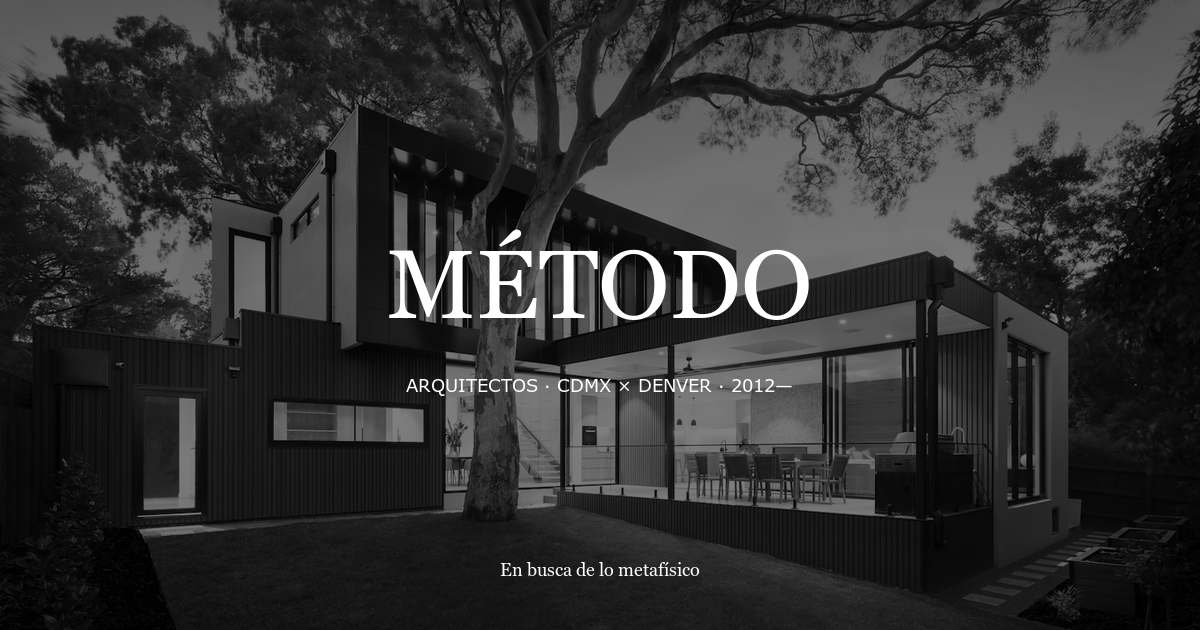
A custom home in Playa del Carmen built with sustainable tropical materials is not an environmental branding decision—it is an architectural performance decision. The Caribbean coast's combination of humidity, UV radiation, salt air, and intense rainfall destroys imported and synthetic materials within years. Regional stone, tropical hardwood, and honest concrete are the materials that perform in this climate and age with integrity.
Why Regional Materials Outperform Imported Alternatives
Playa del Carmen sits on the Yucatan limestone platform. The ground beneath every lot is the same material as the most performant wall system available: regional limestone, quarried within 60 kilometers of the site, used in construction for more than a millennium in this region.
When we build with regional stone, we are using a material calibrated by centuries of local use to the local climate. It manages humidity vapor by allowing transmission through the wall. It does not degrade in UV radiation. It does not corrode in salt air. Its color and texture come from the place and read as specific rather than generic.
Imported marble, engineered wood products, and synthetic composites arrive at their best condition on installation day and begin degrading immediately in the Caribbean environment. The maintenance cost and replacement cycle of these materials over the life of the house typically exceeds the original installation premium of regional alternatives.
The Material Options Matrix in a Tropical Climate
In MÉTODO's process, material selection is not a late-stage finish decision—it is an early schematic design task. We develop a matriz de opciones for the principal wall, floor, roof, and shade systems before floor plans are fixed. Each option is evaluated on:
- Thermal performance in the specific local microclimate
- Moisture behavior—vapor transmission, drainage, and drying time
- Structural role or compatibility with the structural system
- Availability from regional suppliers and the craft required to install it
- Maintenance requirement over 10 and 25 years
The decisions that come from this matrix directly shape the architectural character of the house. A house built with coursed limestone reads differently than one built with painted concrete block, and performs differently in every season.
Certified Tropical Hardwood: Where Wood Works
Wood in a tropical coastal climate is demanding. The conditions that destroy uncertified or untreated wood are extreme: constant humidity, UV exposure, fungal growth, and insect pressure. When wood fails in a Playa del Carmen home, it fails visibly and structurally.
Certified tropical hardwoods—machiche, tzalam, and similar regional species—are dense, naturally resistant to moisture and insects, and appropriate for structural and finish applications in this environment. The certification matters for ecological reasons, but the performance matters for architectural ones: these are species that have evolved in this climate and handle it without industrial treatment.
We detail wood connections to manage moisture: ventilated cladding cavities behind exterior wood panels, end grain sealing on all cuts, and drainage at all horizontal surfaces. These are not optional refinements—they determine whether the wood performs for decades or fails within years.
Concrete as Honest Structure
Exposed concrete in a Playa del Carmen custom home is not a stylistic choice—it is a material honesty decision. The structural frame is concrete because it is the appropriate material for seismic and wind resistance in the Caribbean zone. When that frame is expressed rather than concealed behind finishes, the architecture acknowledges what it is.
Materialidad honesta means the structure is visible and its logic is legible. The beam is where it needs to be; the column is where it carries load; the opening is where the structure allows it. This legibility is what distinguishes an authored house from an assembled one.
Sustainable Design and Climate Response
Sustainable tropical materials support a broader climate response strategy. The stone walls provide thermal mass that moderates temperature swings. The hardwood louvers and pergola provide shade that reduces cooling load. The concrete slab retains coolness at floor level and contributes to overnight temperature recovery.
These material properties are not passive sustainability features—they are active climate tools that the architecture deploys. The house is designed for the climate it sits in, using materials that evolved in or are calibrated for that climate. This is what respuesta climática means in practice: not a certificate, but a building that works with its environment.
Vegetation and Material Continuity
The lot in Playa del Carmen often has existing tropical vegetation: palm, mangrove at the edges, native shrub. Sustainable design here means integrating that vegetation into the architectural sequence rather than clearing it for a uniform terrace.
Existing trees become shade structures, view framers, and natural ventilation accelerators. The house is positioned around them rather than placed in the center of the cleared lot. The garden design uses native species that require no irrigation once established and that manage stormwater naturally on the limestone substrate.
Próximos pasos
A Playa del Carmen custom home built with sustainable tropical materials requires early commitment to the material logic—before the floor plan is fixed, not after. The decisions about stone, wood, and concrete made in schematic design determine the thermal performance, maintenance burden, and architectural character of the house over its entire life.
If you are beginning a project on the Caribbean coast, the process starts with the site and the material constraints it presents.