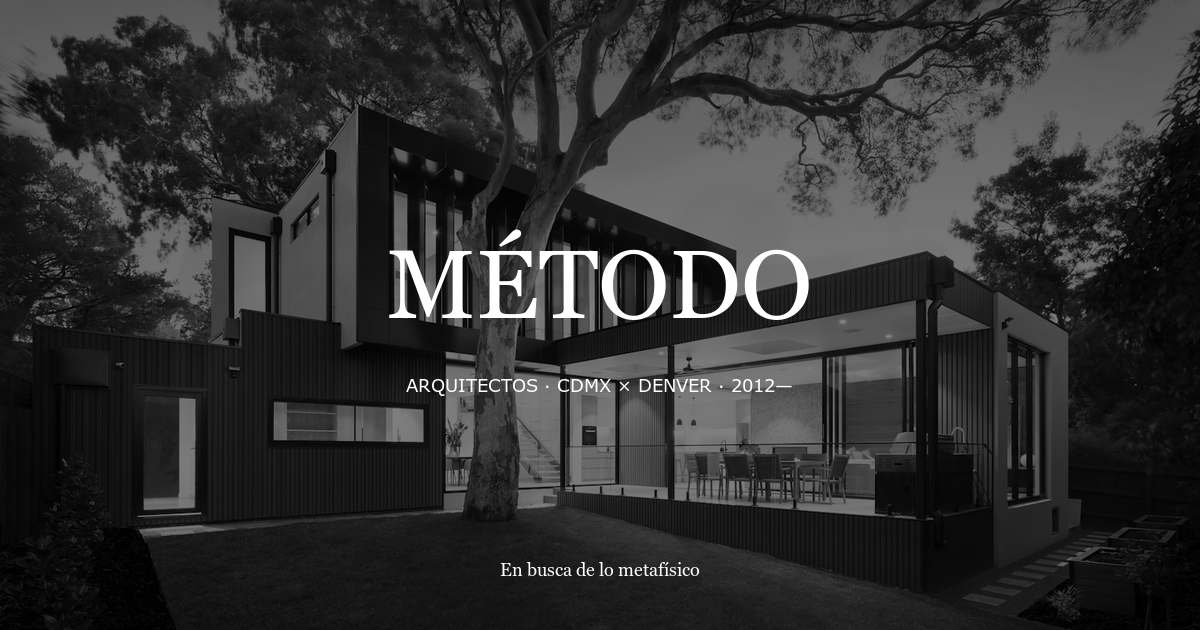
Natural wood finishes in a Colorado mountain modern home are a design and performance choice, not a nostalgic reference. Wood brings acoustic absorption to hard-surface interiors, thermal warmth to spaces dominated by concrete and stone, and a material character that changes honestly with time and light. At altitude in Colorado, wood selection and detailing require specific knowledge — the UV environment, the moisture cycling, and the wildfire interface codes all shape what is appropriate and what will perform.
Why Wood Belongs in Mountain Modern Architecture
The argument for natural wood in mountain residential design is functional before it is aesthetic:
Acoustic absorption: stone and concrete are acoustically reflective — they return nearly all sound energy. Wood absorbs sound modestly but meaningfully, and its absorption coefficient increases the acoustic comfort of large rooms that would otherwise be hard and reverberant. A wood ceiling plane in a concrete and stone living room is the acoustic corrective that makes the space comfortable for conversation and music.
Thermal character: wood has a lower thermal conductivity than stone or concrete. A wood floor at the same temperature as a concrete floor feels warmer because it conducts less heat away from bare feet. This is physics, not perception. In a mountain home where floors are often in contact with cold ground, the thermal character of wood surfaces affects occupant comfort in ways that mechanical heating does not fully address.
Visual warmth at altitude: the quality of light at altitude is different from lowland light — more intense, more polarized, with stronger shadows and highlights. Wood grain and texture catch this light and add visual depth that smooth, monochromatic surfaces do not provide.
Stone, wood, and concrete: materials that age with dignity. In this triad, wood is the material that most visibly ages — and its aging is the most beautiful when the right species in the right location is left to develop its character.
Species Selection for Colorado Mountain Homes
Species selection at altitude requires matching the wood's natural properties to the specific exposure and performance requirements:
Douglas fir: the workhorse of Colorado mountain construction. Dense, structurally reliable, and with a warm grain pattern that reads well at every scale from structural beam to interior trim. Douglas fir ages gracefully to a warm honey tone indoors; outdoors it silvers predictably. Available from regional mills, which reduces cost and embodied carbon.
White oak: the preferred interior finish species at MÉTODO for mountain residential work. Consistent grain, moderate open pore, takes natural oil finishes beautifully, and does not yellow significantly over time. White oak floor and ceiling combination reads as precise and warm simultaneously.
Larch: less common in Colorado but excellent performance characteristics — denser than Douglas fir, more resin-rich, better natural resistance to moisture and UV. A good choice for semi-exposed applications like covered exterior ceiling planes.
Thermally modified wood: any number of species (pine, ash, birch) can be thermally modified — heat-treated to reduce moisture content to equilibrium at a permanently stable level. The result is dimensionally stable, more durable, and darker in color. Useful for exterior applications where species availability or cost limits options.
Ipe and cumaru: maximum durability for exterior applications, but sourcing responsibility is a genuine consideration. These species from tropical forests have no equivalent performance, but their use requires verified sustainable sourcing certification.
Exterior Wood: Ventilated Systems and Finish Strategy
Exterior wood cladding at Colorado altitude faces three specific challenges: high UV radiation, significant moisture cycling between seasons, and in some areas, wildfire interface code requirements that restrict combustible materials.
Ventilated cladding system: exterior wood cladding should be mounted over a ventilated cavity — typically 20 to 40 mm — that allows moisture to dry from behind the panels. Without this cavity, moisture that enters behind the cladding has nowhere to go and accelerates degradation regardless of species or finish.
End grain protection: the end of any wood board or plank is exponentially more permeable than the face or edge grain. End grain must be sealed or designed with drip edges that prevent standing water.
UV management: at altitude, unfinished wood silvers faster than at lower elevation. If the silver patina is the intended outcome, this is not a problem — but if color retention is desired, a UV-blocking penetrating oil or stain requires application every 2 to 3 years rather than the 4 to 5 year cycles possible at lower elevation.
Wildfire interface compliance: many Colorado mountain communities restrict combustible exterior cladding in wildland-urban interface zones. Wood cladding in these zones requires either fire-retardant treatment or replacement with non-combustible materials. Understanding the WUI zone classification of the specific site before specifying exterior wood is essential — not optional.
Interior Wood Finish Strategy
Interior natural wood finishes in a mountain home require decisions about three variables: species, surface preparation, and topical treatment.
Surface preparation: for floors, the surface is sanded and planed to a consistent level before finishing. For ceiling planks and wall paneling, the face texture is a design decision — a smooth plane reads modern; a skip-planed or hand-scraped surface reads more textural and traditional.
Topical treatment options:
- Penetrating oil finish: penetrates the wood surface rather than forming a film, allowing the wood to breathe and making repairs easy. The most compatible treatment with the honest materiality principle — the wood remains wood, not a plastic-coated surface.
- Hardwax oil: a penetrating finish that builds slightly more film than pure oil, providing better stain resistance for high-traffic floors.
- Film-forming finish (polyurethane): maximum surface protection but creates a plastic film that obscures the wood's natural surface character. Harder to repair and refinish. At MÉTODO, this finish is reserved for high-traffic commercial applications, not preferred for residential mountain homes.
The Relationship Between Wood, Light, and Time
Natural wood in a mountain home interior responds to the specific quality of mountain light and changes with it over time. The intense winter sun at low angle across a white oak floor reveals grain patterns that disappear under diffuse summer light. The same ceiling plank looks different at 9 am than at 4 pm.
This responsive quality is part of what makes natural materials worth the additional design and specification effort. The building is not static — it participates in the daily and seasonal light cycles of its location. That participation requires materials with surface character and inherent color rather than uniform, inert surfaces.
Próximos pasos
Natural wood finish selection for a Colorado mountain home starts with the exposure conditions of each surface: interior or exterior, direct sun or shaded, contact with moisture or fully protected. Each combination has a specific species and finish strategy that will perform.
To understand how we develop that material logic as part of the design process at MÉTODO, conoce el método de MÉTODO.