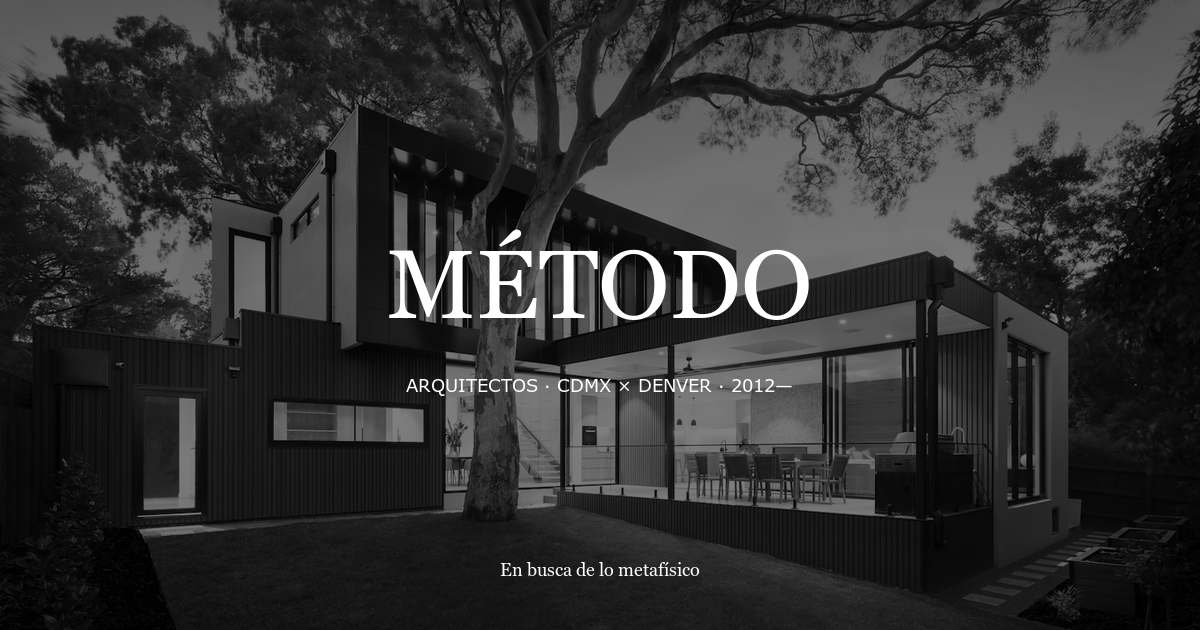
A modern courtyard house with a stone facade is not a stylistic combination. It is a climate and light strategy expressed in permanent materials. The stone manages the exterior thermal load. The courtyard distributes natural light to rooms that could not receive it from the perimeter alone. The two elements operate as a system.
How the Courtyard Changes the Way Natural Light Enters a House
In a conventional single-loaded residential plan, natural light arrives from the perimeter — from windows that face the street, the garden, or the neighboring lot. Those rooms receive direct light, often glare, and the interior rooms receive very little. A bathroom, a corridor, a stair, a kitchen without windows: these are the spatial consequences of perimeter-only light.
The courtyard introduces an interior light source. Rooms oriented toward the courtyard receive soft, reflected light — bounced off the stone walls, filtered through planting, modulated by the height of the enclosing mass. This light is uniform and glare-free. It allows openings of larger dimensions without the thermal penalty that a south-facing window wall would impose.
In MÉTODO, we call this analysis la sección como relato — the section as a narrative. The section drawing through the courtyard house shows every room's relationship to the sky before any floor plan detail is resolved. A room that is two stories tall adjacent to a narrow courtyard receives very different light from a single-story room beside a wide one. These decisions are made in the section, not corrected in the finish schedule.
Stone Facade: Materiality Honest in Its Performance
A stone facade on a modern courtyard house is not ornamentation. Stone — limestone, basalt, quartzite, volcanic cantera — has thermal mass. An exterior stone wall with adequate thickness absorbs morning solar radiation and releases it after the interior has cooled. This is passive climate control without mechanical complexity.
Materialidad honesta means that the material is present for what it does, not for what it signals. In MÉTODO projects, the stone species is selected for its thermal conductivity, absorption coefficient, and maintenance profile before it is selected for color or texture. A limestone that requires sealing every three years is not honest — it is a facade that asks for ongoing labor to maintain the appearance of durability.
The joint and the cut determine the register of the design. A bush-hammered finish with a tight mortar joint reads contemporary. A split-face stone with a wide joint reads rustic. Both are stone. The specification is precise, not decorative.
The Section as the Generator of Light Quality
Natural light quality in a courtyard house is determined primarily by the section — by the height of the courtyard walls relative to the floor levels that receive light from them. A courtyard that is ten feet wide and twenty feet tall admits a narrow band of direct sun for a few hours at midday and diffuse light for the rest of the day. A courtyard that is thirty feet wide and fifteen feet tall admits morning and afternoon sun to the surrounding rooms at low angles.
Neither configuration is correct in the abstract. The correct section is the one that matches the light requirements of the rooms that enclose the courtyard: a library wants diffuse, stable light; a kitchen wants morning sun; a living room wants afternoon brightness without summer glare. The section is designed room by room, not as an average.
Material Palette: Stone, Concrete, and Wood as an Interior System
The stone facade logic extends inside. In MÉTODO, we design the interior material palette as a continuation of the exterior: stone at the base, concrete at the structural frame, wood at the planes that receive touch. This is not a stylistic decision — it is a material hierarchy based on density, thermal performance, and durability in each location.
Stone and concrete floors in the rooms adjacent to the courtyard store the heat admitted through the glazing and moderate the diurnal temperature swing. Wood at doors, window frames, and casework introduces acoustic absorption and tactile warmth without compromising the thermal mass strategy. Piedra, madera y concreto: materiales que envejecen con dignidad.
The modern courtyard house does not resolve its materiality from a finish board. It resolves it from the section and the climate analysis, and the finish board is a documentation of decisions already made.
Asoleamiento: Tracking the Sun Through the Stone Facade
Asoleamiento — the study of sunlight hours, angles, and seasonal variation on a specific site — is the first drawing in every MÉTODO project. Before the stone species is selected, before the courtyard dimensions are set, the sun's path is mapped against the site geometry. Shadow studies at the winter and summer solstice and the equinoxes determine which walls will receive sustained solar exposure and which will remain in shade.
A stone facade on a west-facing wall behaves differently from the same stone on a north-facing wall. The west wall receives intense afternoon heat gain in summer; its thermal mass may be a liability rather than an asset without the correct wall thickness and insulation strategy. The north wall is primarily a matter of weathering, not thermal performance. The asoleamiento diagram resolves these distinctions before any material is specified.
Próximos pasos
A stone facade and a courtyard in a modern house are a system, not a style. They are designed together — the section determining the light, the material palette determining the thermal performance, and the asoleamiento confirming that both perform as intended throughout the year.
If this approach to residential design is relevant to your project, conoce el método de MÉTODO and see how we build the decision process before we build the house.