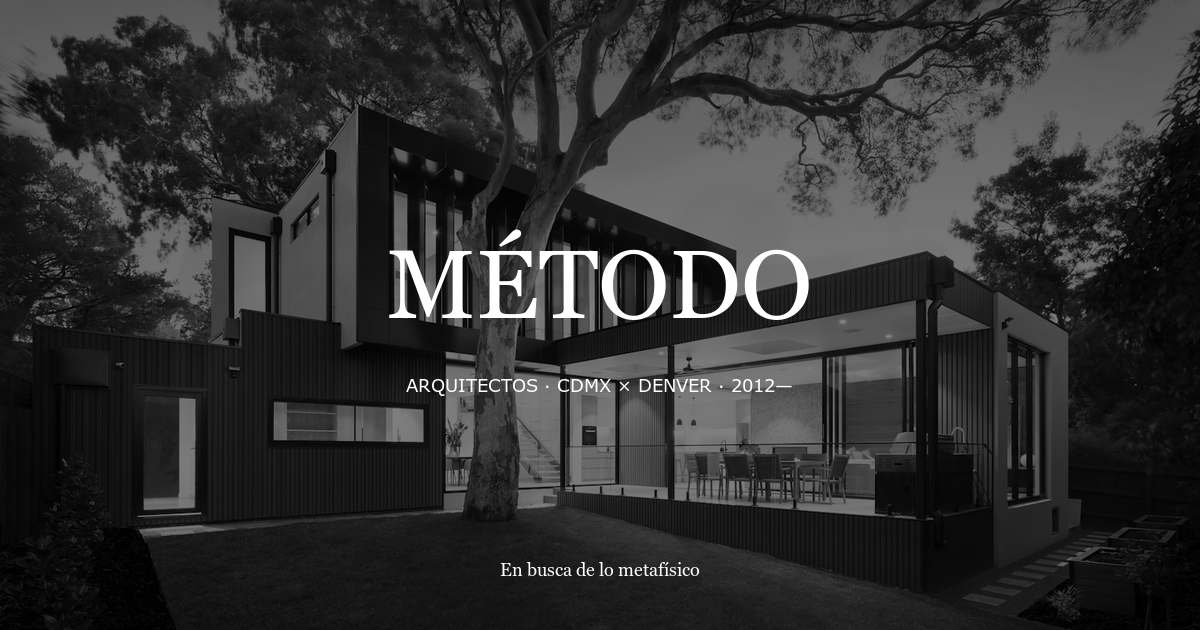
In Playa del Carmen and throughout the Riviera Maya, the sun is not an amenity to maximize — it is a load to manage. At 20 degrees north latitude, direct solar radiation on an east-facing facade at 9 AM or a west-facing facade at 4 PM is intense enough to heat a room several degrees above air conditioning setpoint within minutes. A concrete overhang is not an architectural gesture; it is a mechanical device that happens to be made of structure.
La sombra antes que la luz. In tropical house design, shade is designed first.
The Solar Geometry That Governs Overhang Depth
At the latitude of Playa del Carmen, the sun's altitude angle at noon on the summer solstice reaches approximately 87 degrees — nearly overhead. On the winter solstice it drops to approximately 46 degrees. This range determines how much horizontal overhang is needed to shade a window through the year.
For a south-facing window, the overhang depth needed to fully shade a window height h from a sill-to-overhang-soffit measurement d is governed by:
depth = d / tan(minimum sun altitude)
For a window with 2.2 meters of exposed glazing on the south facade in Playa del Carmen, a 60-centimeter overhang provides full shading from approximately April through September — the critical cooling months. In winter months when passive heat gain is not problematic, some sun penetration through the same window is acceptable.
For east and west facades, the geometry is less favorable. Morning and afternoon sun angles are below 30 degrees for several hours per day — too low for horizontal overhangs to block effectively. Vertical fins, louvers, or angled screens are needed as supplements.
Why Concrete Works Well as the Overhang Material
Concrete overhangs in tropical coastal construction offer three specific advantages over lighter alternatives:
Thermal mass at the shading plane. A concrete soffit absorbs solar radiation that strikes its upper surface and radiates it slowly over time, rather than transmitting it instantly into the building below. This behavior is less critical for overhangs than for walls, but in a tropical climate where the structure is constantly sun-exposed, a thermally massive overhang runs cooler than a thin metal one.
Salt air durability. In coastal zones within one to three kilometers of the ocean, metal and composite screening systems require significant maintenance to resist corrosion. Concrete with appropriate mix design and cover depths over reinforcement handles salt air reliably for decades.
Structural integration. A cantilevered concrete overhang is part of the building structure — it can be designed to carry additional loads (a terrace above, a green roof, mechanical equipment) with the right reinforcing. Lightweight shading systems are not always upgradeable.
The Structural and Waterproofing Details That Matter
A cantilevered concrete overhang is one of the most structurally sensitive elements in a tropical residence. Two failure modes are common:
Upward loading from wind. In the Riviera Maya, hurricane-force winds create uplift loads on overhangs that exceed the downward dead load of the concrete itself. This requires top reinforcement in the cantilever slab, designed for the uplift wind pressure at the site's hurricane exposure category. A standard slab detail without upward load consideration can fail under tropical storm conditions.
Water infiltration at the junction. The horizontal joint where an overhang meets the vertical wall or column above is the most common leak point in tropical residential construction. Water that falls on the overhang surface tends to travel along the junction. A continuous waterproofing membrane carried from the overhang surface up behind the wall cladding, with a proper drip detail at the overhang edge, prevents this.
The drip detail — a groove on the underside of the overhang edge, typically 10 by 10 millimeters — forces water to drip off the edge rather than traveling along the soffit to the wall. It is a simple detail with outsized importance.
Integration with the House Section
The overhang does more than shade the window directly behind it. It defines the relationship between interior and exterior. A 90-centimeter overhang creates a covered exterior zone — usable in rain, shaded in heat — that extends the living area without mechanical conditioning. This transitional space is characteristic of well-designed tropical residential architecture.
In MÉTODO's approach to tropical projects, the overhang geometry is decided in section before the facade elevation is drawn. How much sun enters through which opening, at which time of year, is a calculation that precedes aesthetic decisions. La sección como relato: the section drawing tells the story of how the house manages its climate.
Próximos pasos
If you are designing or evaluating a house in Playa del Carmen, look at the sun shading before the finishes. A house with correct overhang geometry and orientation will be comfortable with moderate mechanical cooling. A house without shading will be expensive to cool and thermally uncomfortable in the months that matter most.
Conoce el método de MÉTODO to understand how we integrate solar geometry and climate response into the earliest stages of tropical residential design.