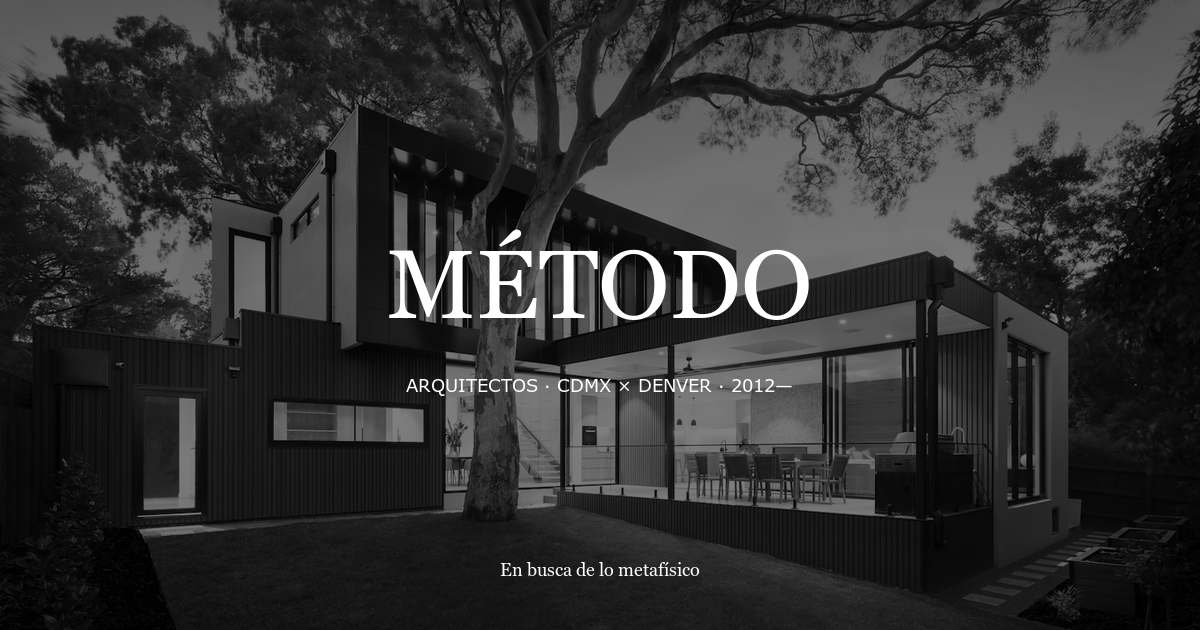
An all-electric home runs every system—heating, cooling, hot water, cooking—on a single energy source. For a custom home in Colorado, this is less an ideological choice than a practical one: electricity can be generated cleanly on site or sourced from an increasingly clean grid, and a home with one energy input is simpler to design, meter, and eventually pair with solar. The design question is not whether it can work in a cold climate, but how to plan the house so that it works well.
The envelope comes first
An all-electric home rests on the quality of its envelope. Because electric heating rewards efficiency, the house should ask for as little heat as possible: continuous insulation, verified air-tightness, high-performance glazing placed by orientation, and shading tuned to the sun. Get the envelope right and the electric systems can be modest, quiet, and inexpensive to run. Skip it, and every deficiency shows up on the bill. In Colorado, the strong winter sun is an ally worth designing around.
Heat pumps as the heart of the house
Space conditioning and water heating both move to heat pumps, which transfer heat rather than burn fuel and can therefore deliver more energy than they consume. Cold-climate models are engineered for Colorado winters, and with a well-insulated house behind them they carry the heating load efficiently, reversing to provide cooling in summer. Planning the mechanical layout, distribution, and any backup heat early ensures the system is sized to the real demand rather than guessed at.
An electric, cleaner kitchen
Induction cooking replaces the gas range with a responsive, efficient surface that keeps combustion out of the house entirely. Beyond the cooking experience, this improves indoor air quality and simplifies ventilation, since there are no combustion byproducts to exhaust. It is one of the more visible everyday pleasures of an all-electric home.
No combustion, cleaner air, simpler service
Removing gas from the house removes a category of risk and complexity: no combustion appliances, no flues to detail through the envelope, no gas service to run and maintain. The mechanical design becomes cleaner, the envelope stays more continuous without penetrations for venting, and indoor air quality benefits. Balanced ventilation with heat recovery then handles fresh air deliberately rather than relying on leakage.
Plan the electrical service and solar path
An all-electric home concentrates load on the electrical service, so the service should be sized generously and the panel located with future additions in mind—an EV charger, a larger heat pump, battery storage. Because everything runs on one source, the house is naturally positioned to pair with rooftop solar. Designing the home solar-ready from the start turns "all-electric" into a clear path toward largely self-supplied.
A coherent, future-ready home
The strength of the all-electric approach is coherence. One energy source, an efficient envelope, heat pumps doing the heavy lifting, a clean kitchen, and a clear route to on-site generation add up to a home that is simpler to understand and better positioned for the decades ahead. In Colorado's climate, with its cold winters and abundant sun, that combination is not a compromise—it is a well-matched, forward-looking way to build.
Discuss your Colorado project with MÉTODO
MÉTODO Arquitectos works between Mexico City and Denver on high-level residential and cultural work, pairing an editorial sensibility with technical rigor. If you are planning a home in Colorado and want an approach grounded in principles rather than shortcuts, we would welcome a conversation. Schedule a call with our team or reach us on WhatsApp to talk through your site, your priorities, and how a considered design process can serve them.